History, PC, Nov 12 2026
History of Personal Computer
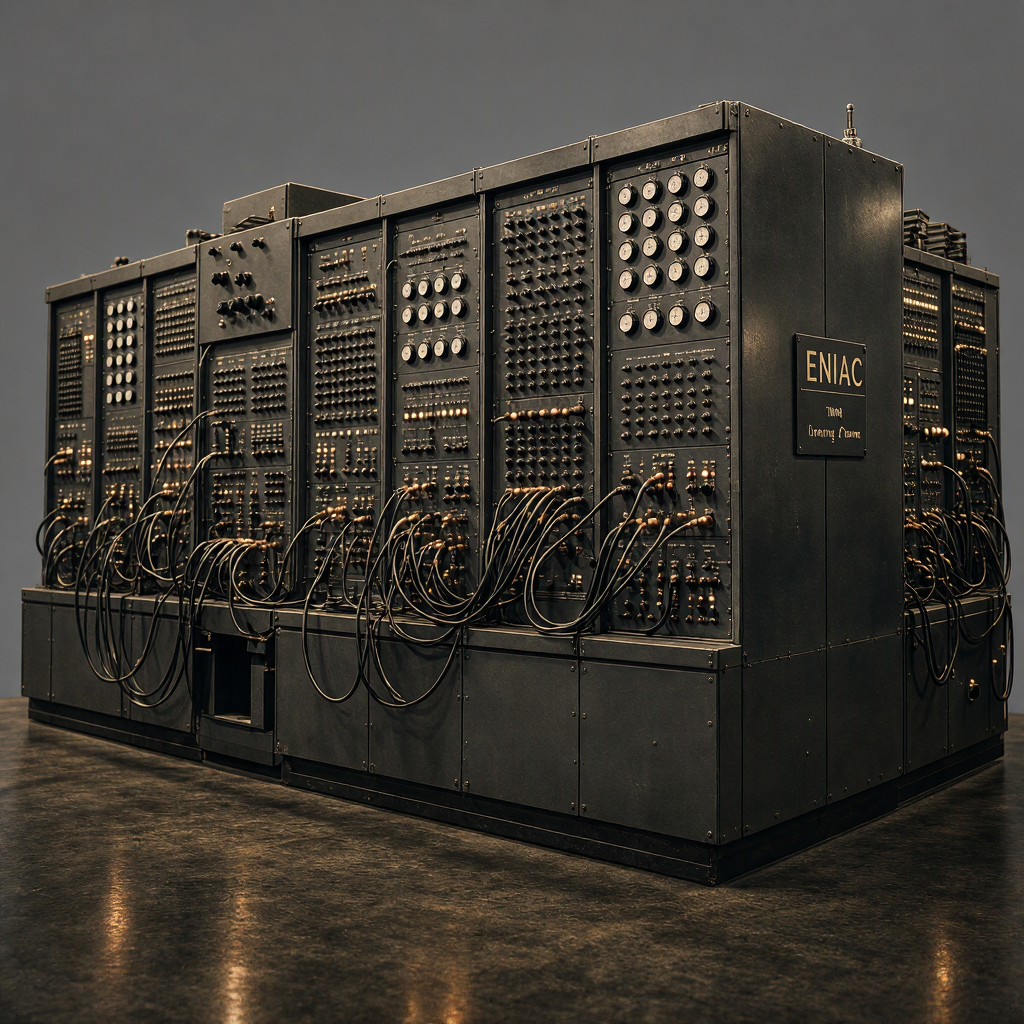
Before the advent of personal computers, large mainframes and minicomputers were primarily used by businesses and research institutions. The emergence of microprocessors in the early 1970s initiated the miniaturization of computers, while the introduction of the Altair 8800 in 1975 marked a major turning point in the beginning of the personal computer era. Through this exploration, we aim to understand the history and evolution of personal computers and gain insights into future technologies and the changes that lie ahead. In addition, photographs of historical computers were enhanced using AI technology. The backgrounds were refined to make the images cleaner and clearer than the original photographs. Microsoft MAI-2-6 was used for image editing.
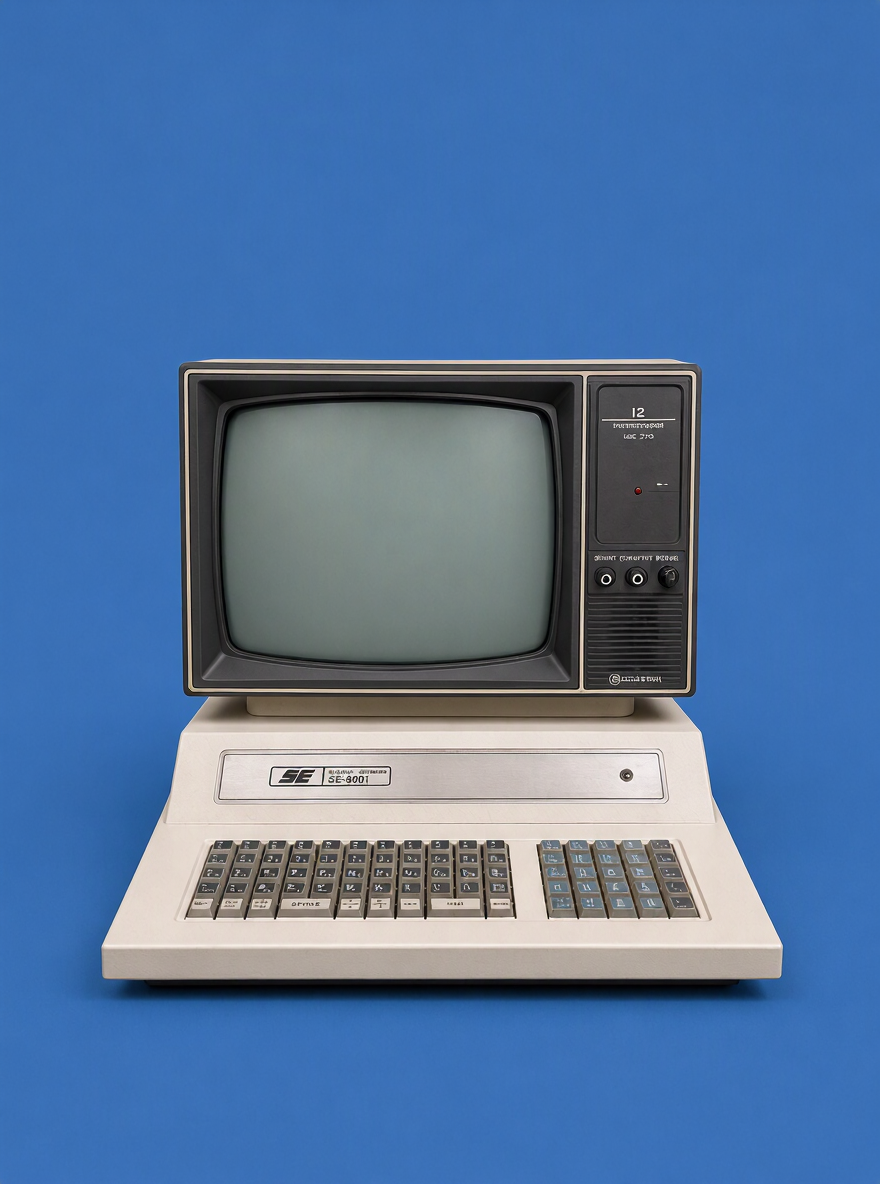
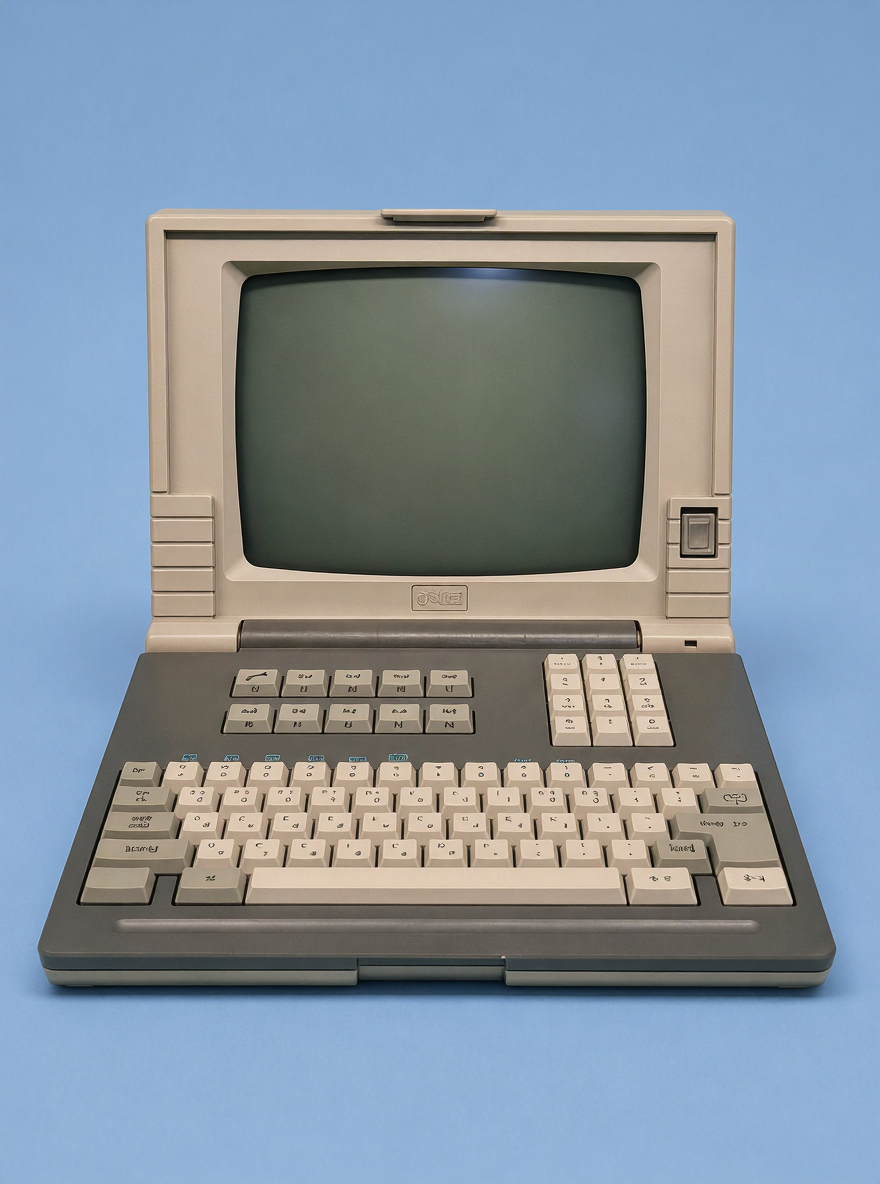
After completing his studies in the United States, Dr. Lee Yong-tae founded Sambo Computer with seven employees and an initial capital of 10 million won. In 1981, the company introduced a personal computer and used reverse engineering techniques to develop a computer that integrated a television set as its monitor. The computer was primarily used for corporate accounting and management purposes. Some units were also exported to Canada; however, the product never achieved mass production or widespread commercial success.
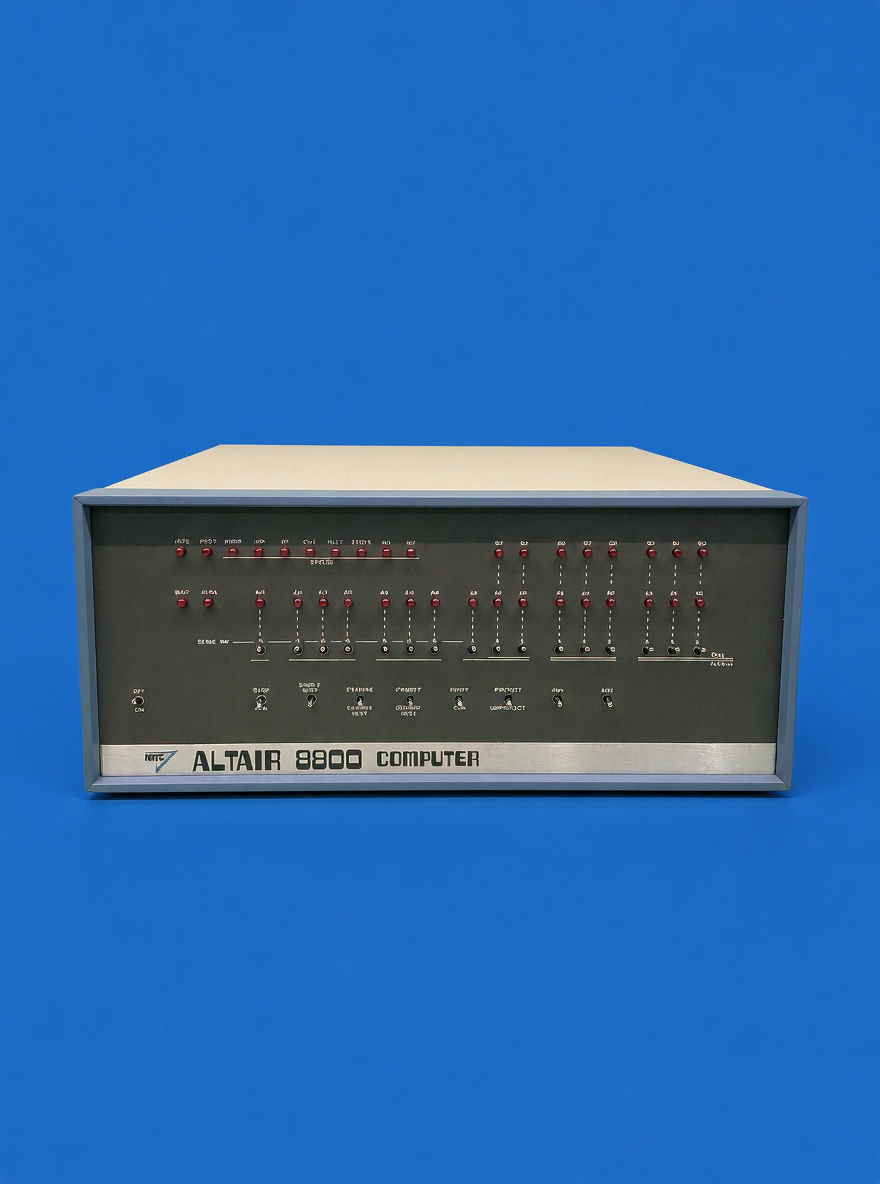
One of the first commercially successful personal computers, the Altair 8800 was a landmark machine that helped usher in the era of personal computing.
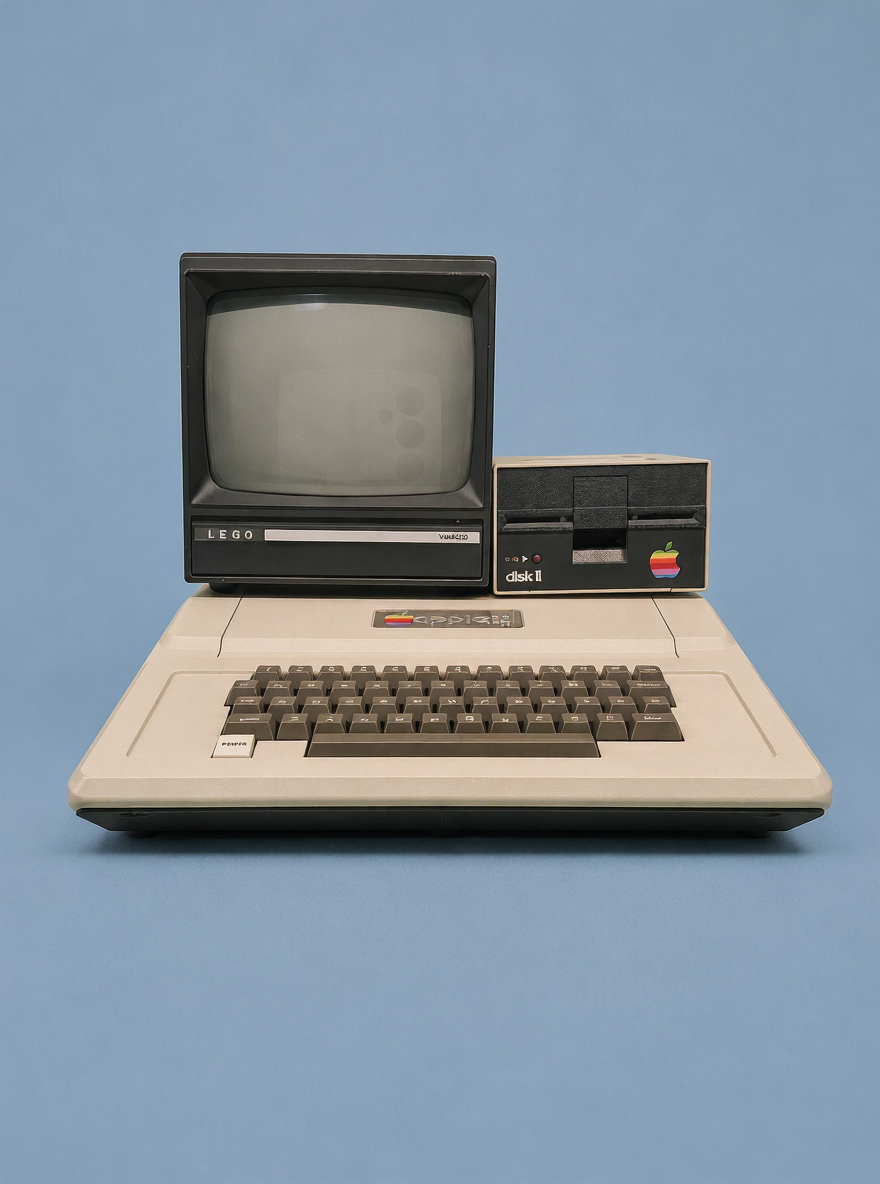
The Apple II was one of the first personal computers to feature a plastic enclosure. Its integrated keyboard and compact design made it practical and accessible for home use, helping bring personal computing into everyday life.
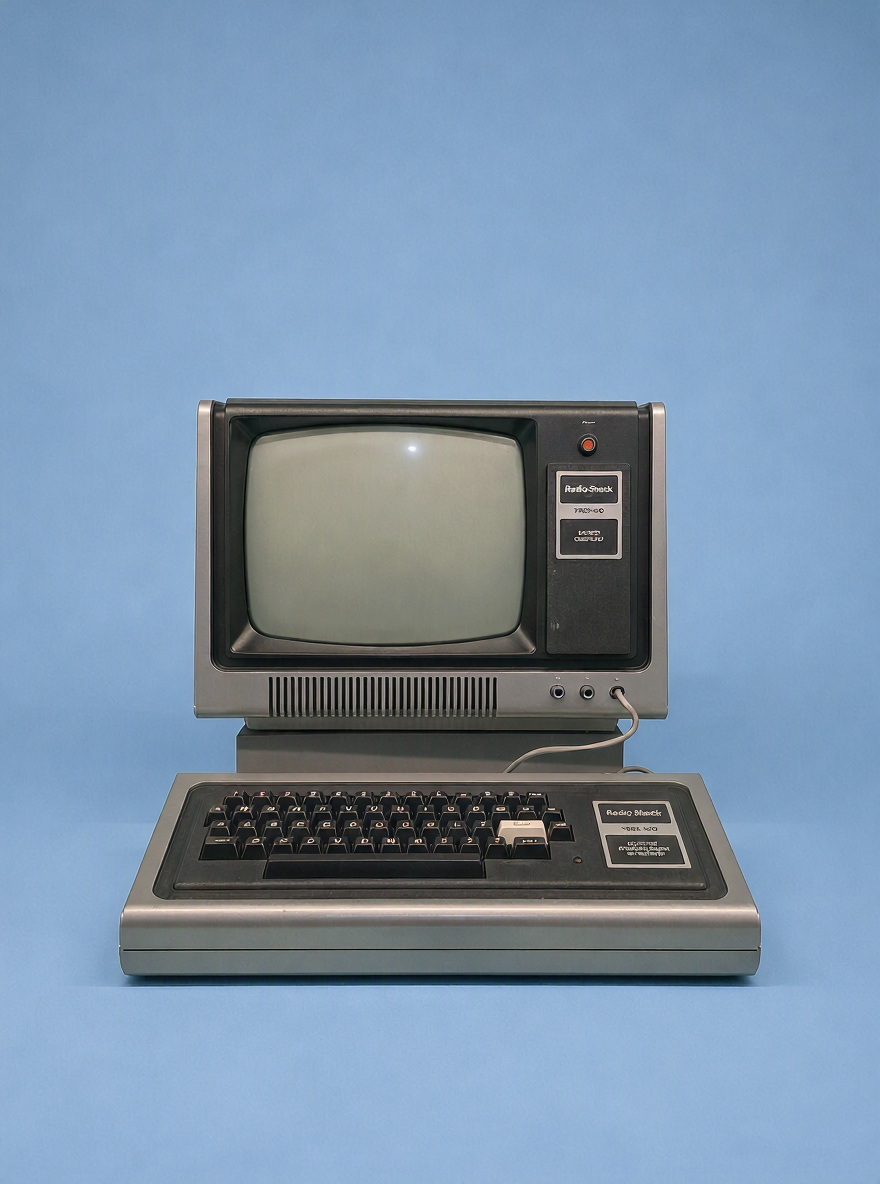
Introduced in 1977, the TRS-80 Model I became one of the most popular personal computers of its time. Approximately 10,000 units were sold during its first month on the market, contributing to the growing popularity of personal computing.
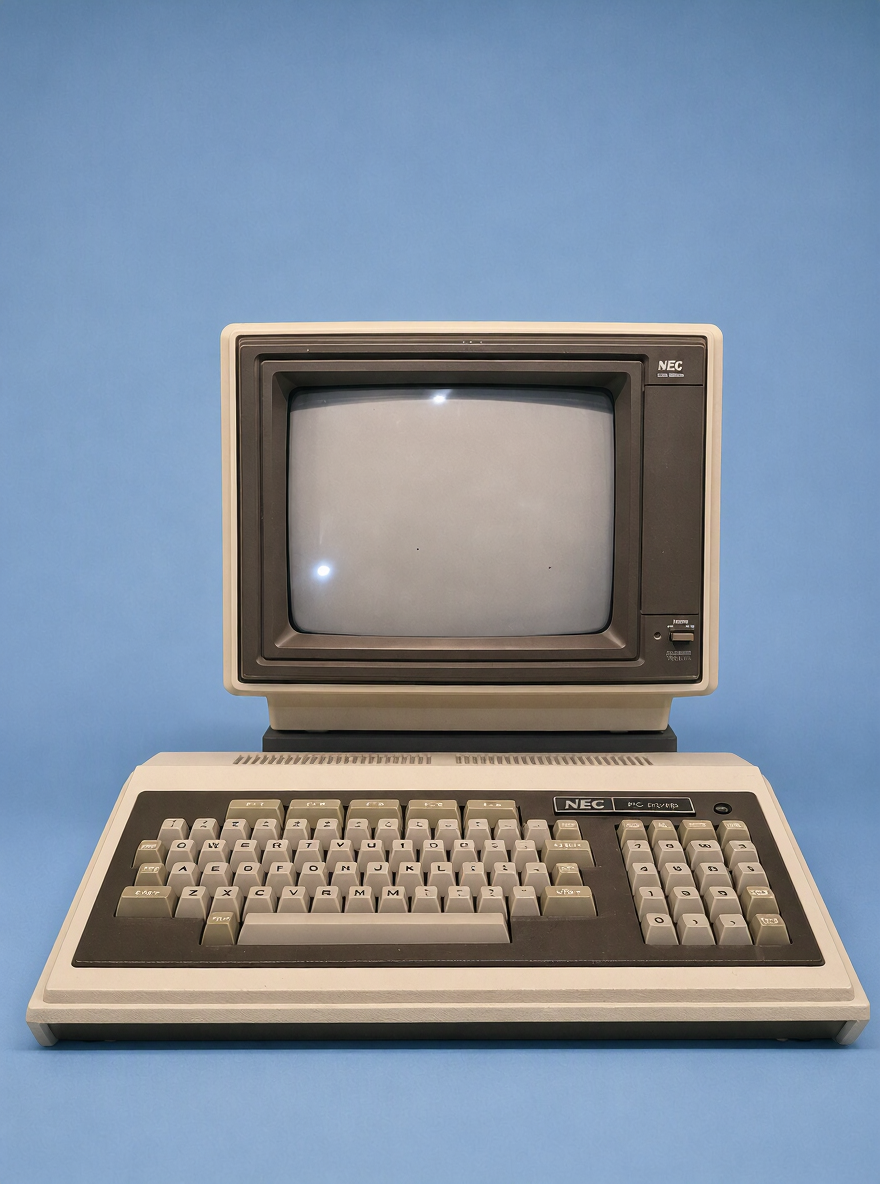
Introduced in 1979, the NEC PC-8001 was NEC's first 8-bit personal computer. It played an important role in the growth and popularization of the personal computer market in Japan.
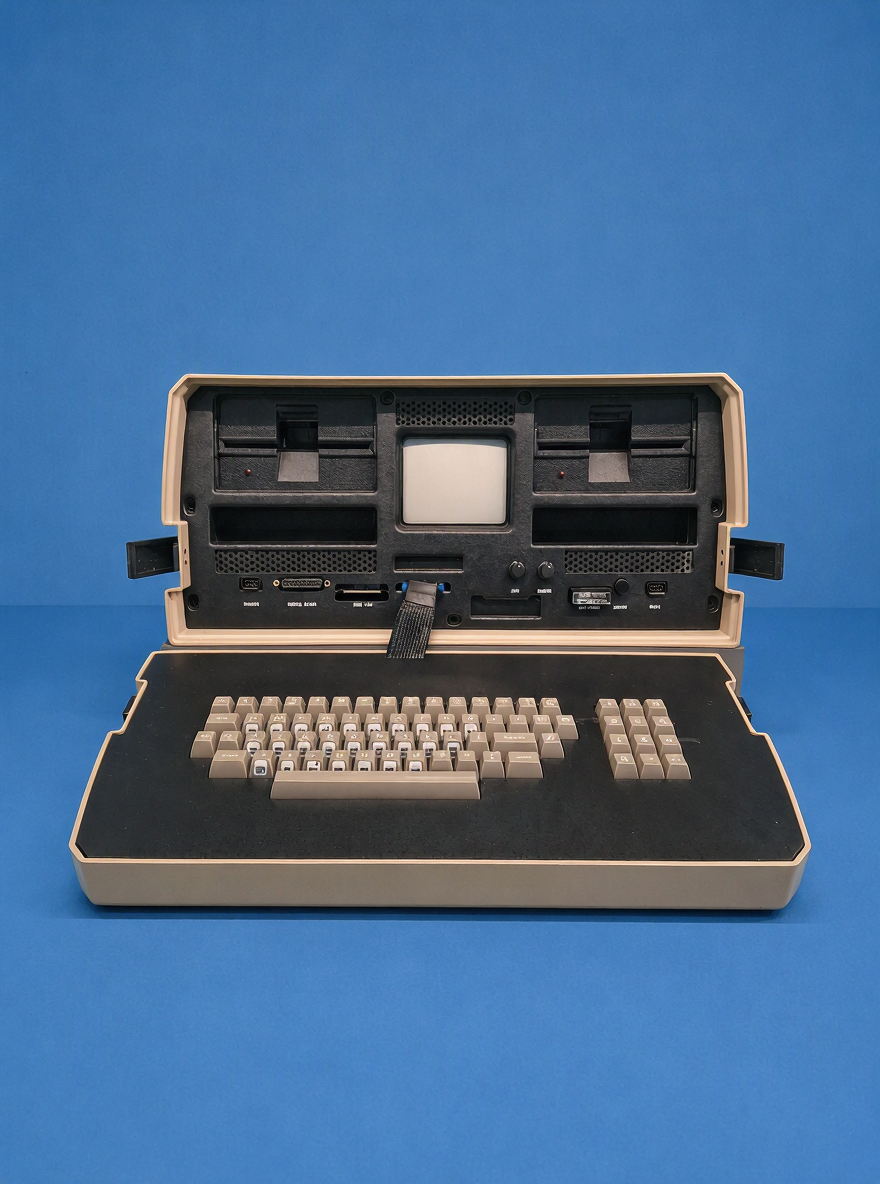
Introduced in 1981, the Osborne 1 was one of the first commercially successful portable personal computers. Featuring an integrated design with a built-in monitor, keyboard, and disk drives, it was designed to be transported easily and became a major milestone in the development of portable computing.
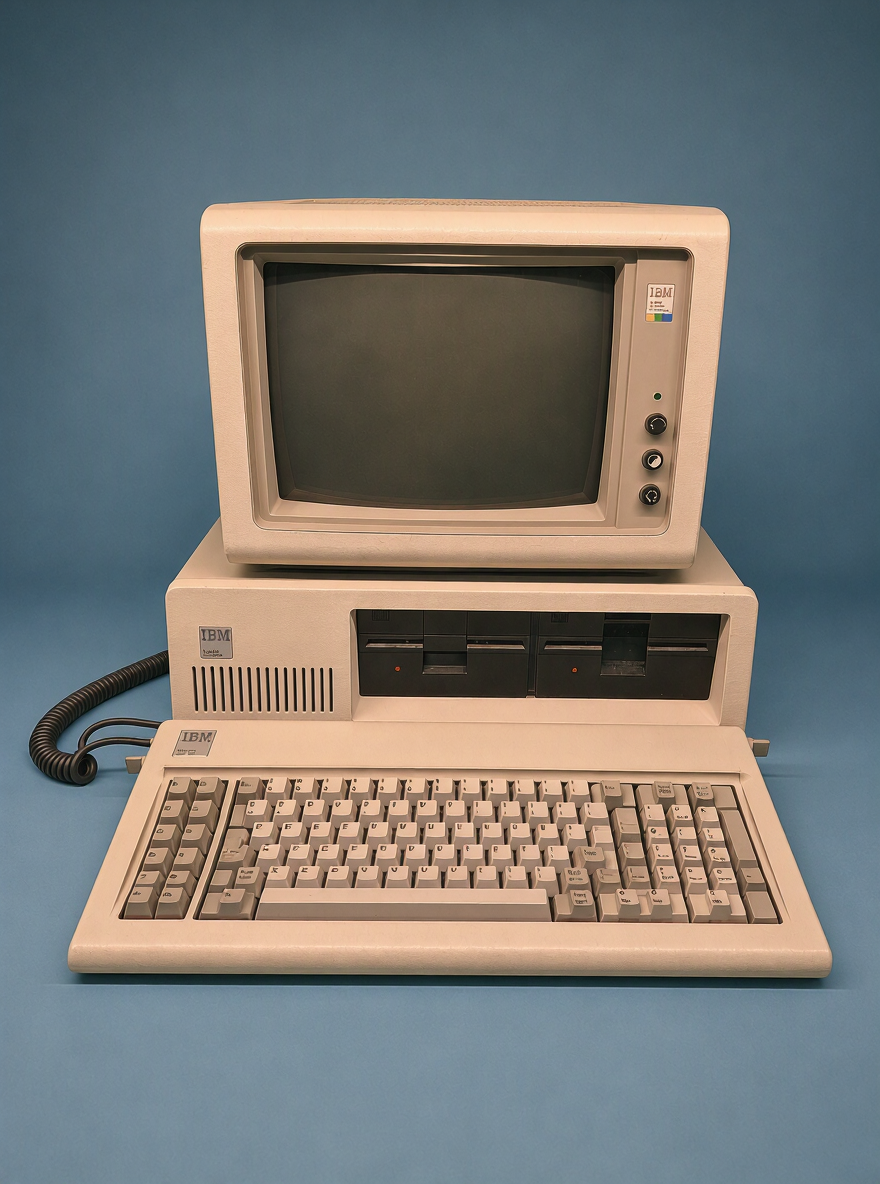
Introduced in 1981, the IBM PC 5150 featured an open hardware architecture that allowed other manufacturers to develop compatible hardware and software. It played a pivotal role in establishing the IBM PC architecture as an industry standard.
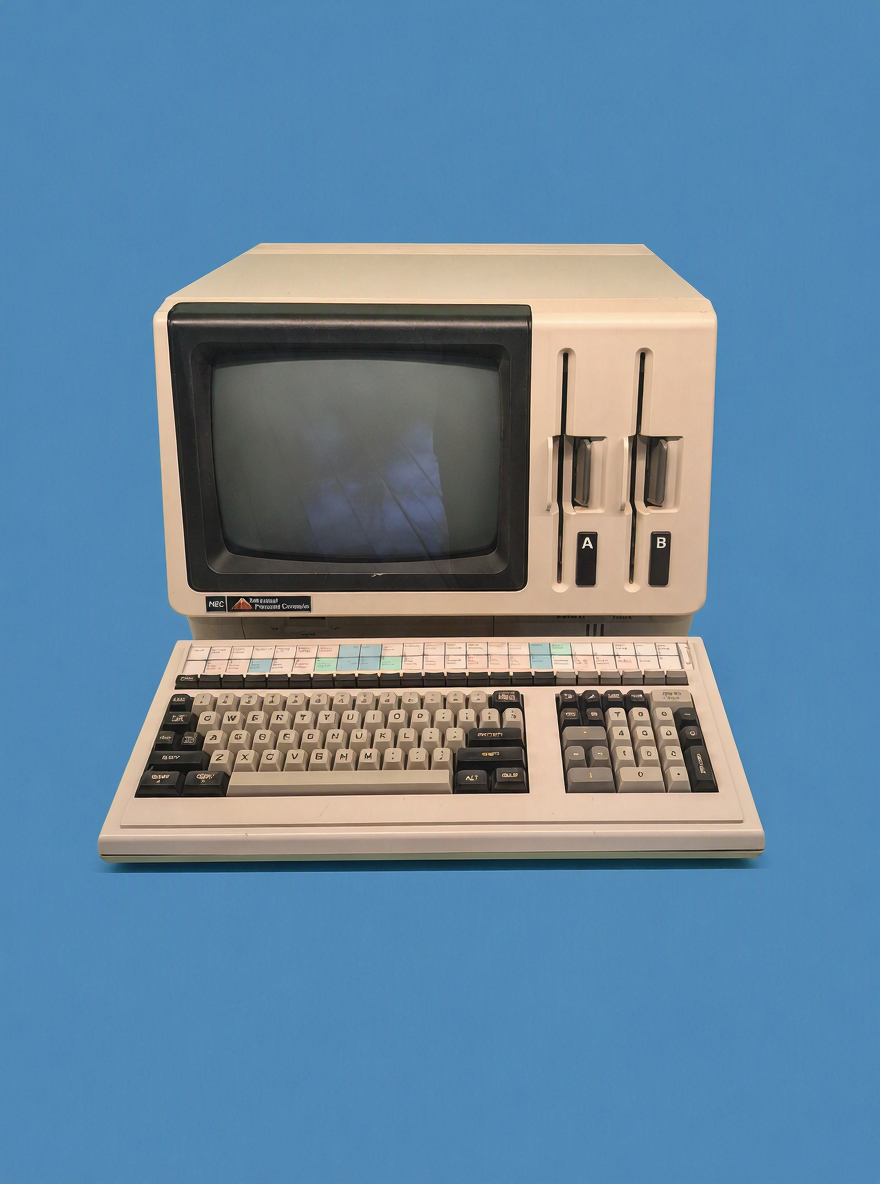
The NEC APC featured the advanced μPD7220 Graphics Display Controller, which was highly regarded for its graphics capabilities at the time. Supporting high-resolution bitmapped graphics and advanced drawing functions, it contributed to the development of personal computer graphics technology.
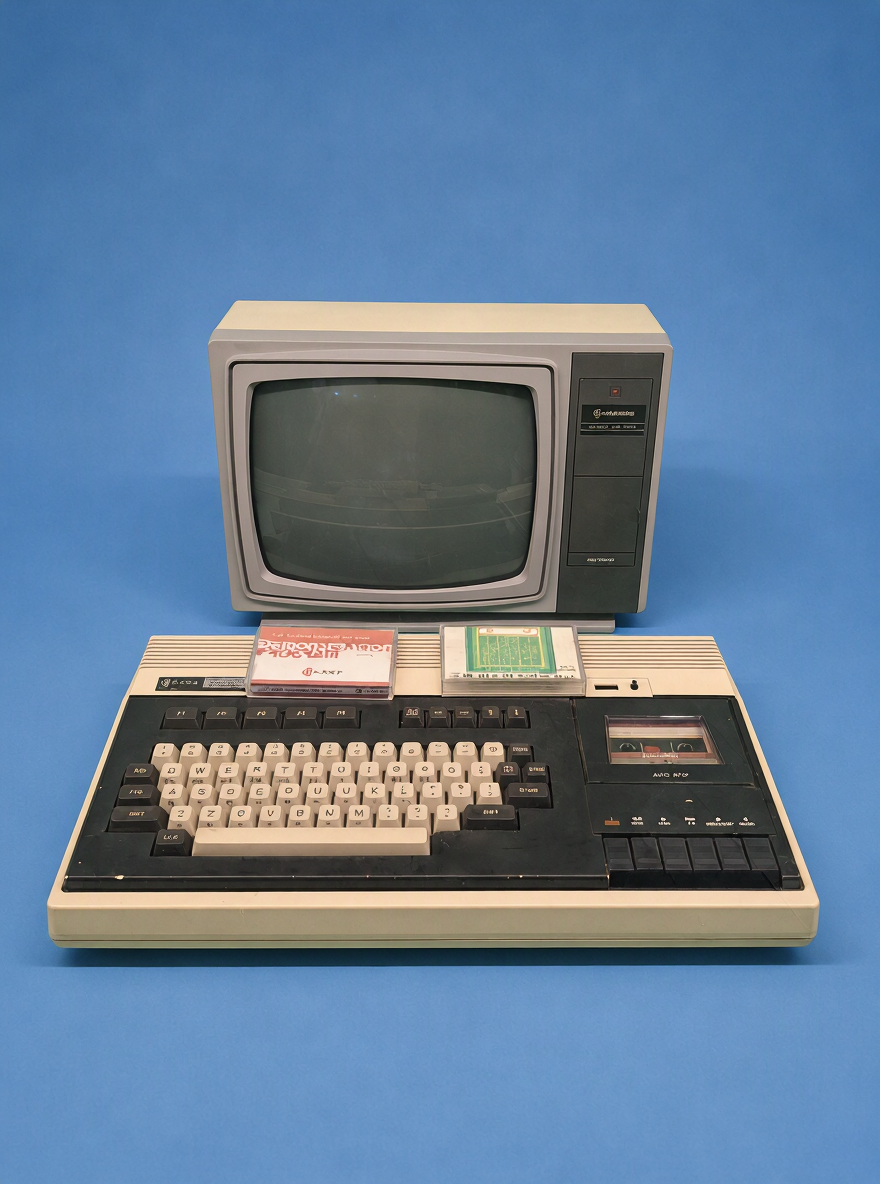
Developed by Samsung Electronics and introduced in 1983, the SPC-1000 was the company's first personal computer. This 8-bit educational computer featured an integrated keyboard and main unit, along with a built-in cassette tape recorder for storing programs and data. Widely adopted in schools, it played an important role in introducing personal computing to the Korean public.
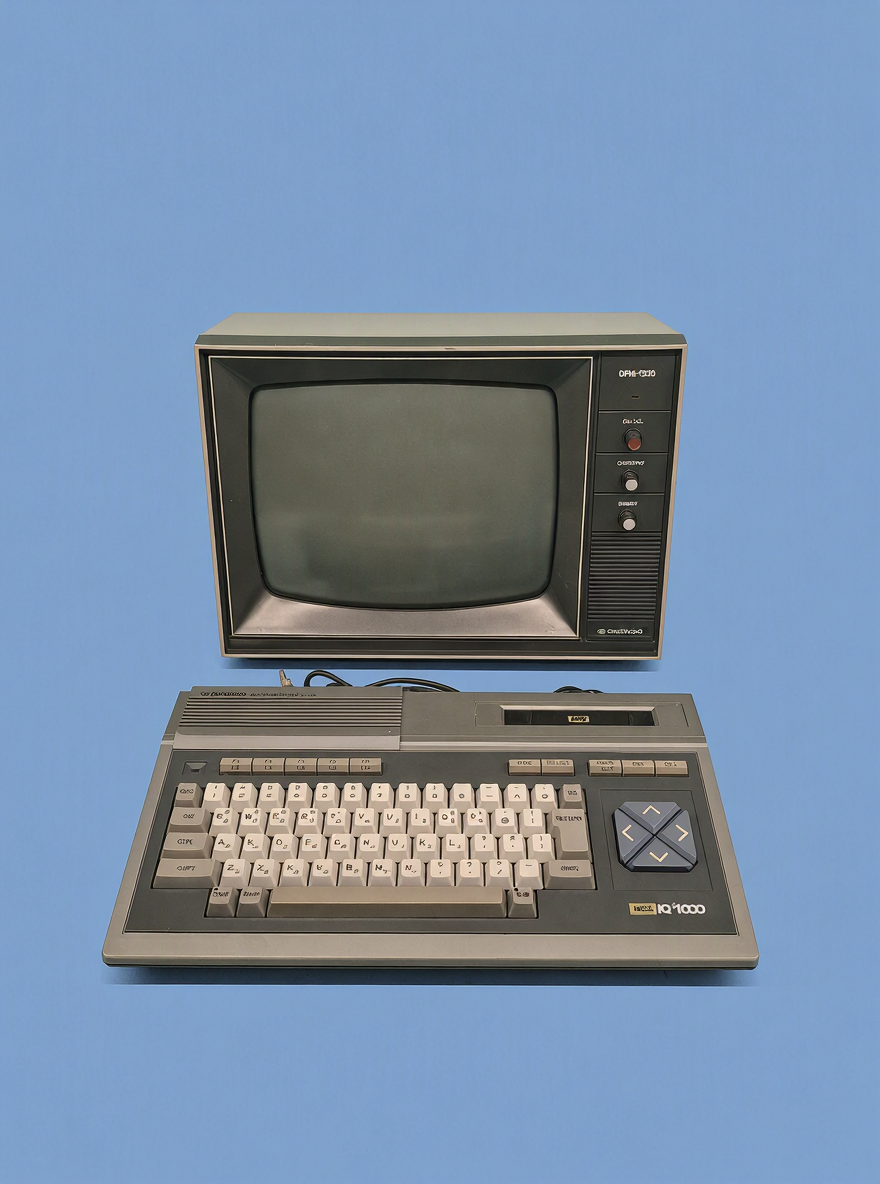
Introduced in 1984, the Daewoo IQ-1000 was one of the early MSX-standard personal computers in South Korea. It used ROM cartridges as a storage medium for running various programs and games and offered compatibility with the MSX software standard. It also featured screen-editing and graphics capabilities, making it suitable for both home and educational use.
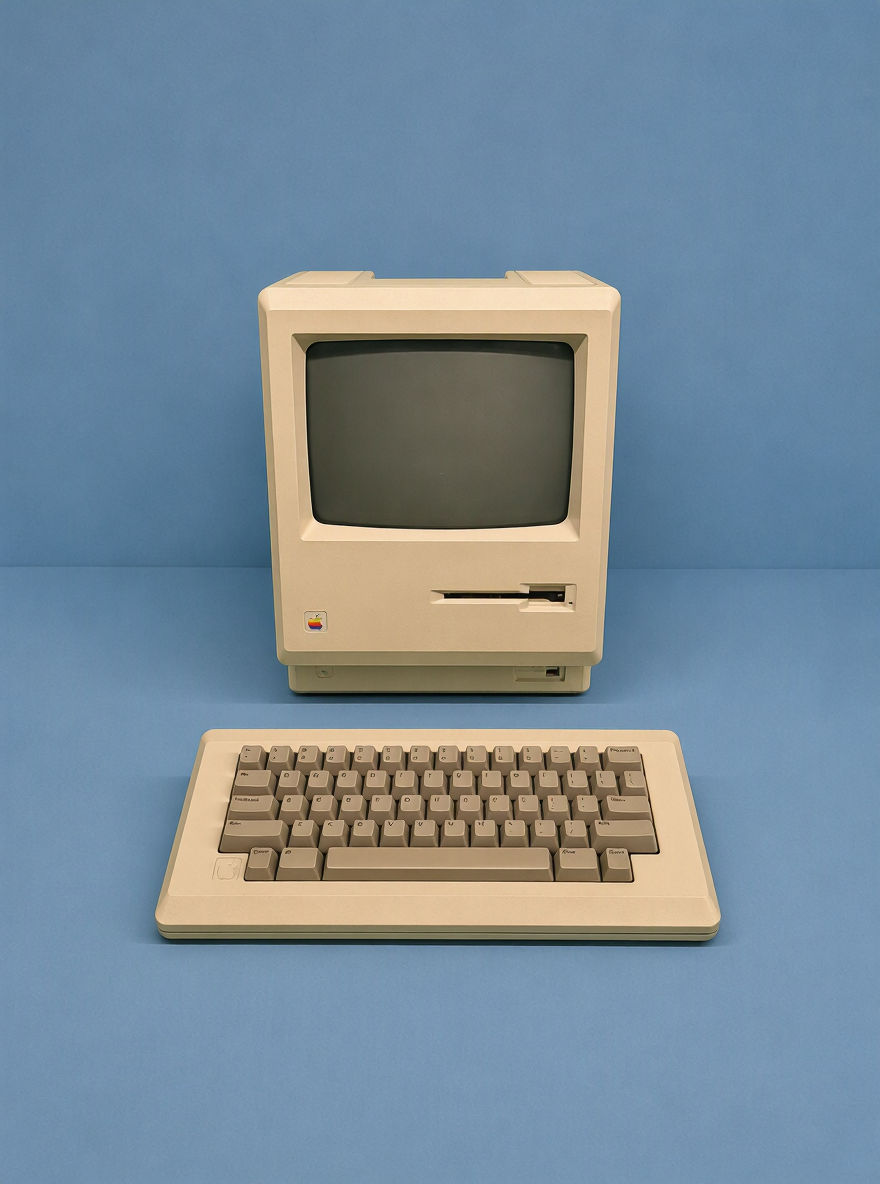
Introduced in January 1984, the Macintosh 128K was the first computer in Apple's Macintosh lineup. It featured a graphical user interface (GUI), allowing users to interact with on-screen icons and menus using a mouse. Its all-in-one design, integrating the monitor and computer into a single unit, helped transform the way people interacted with personal computers.
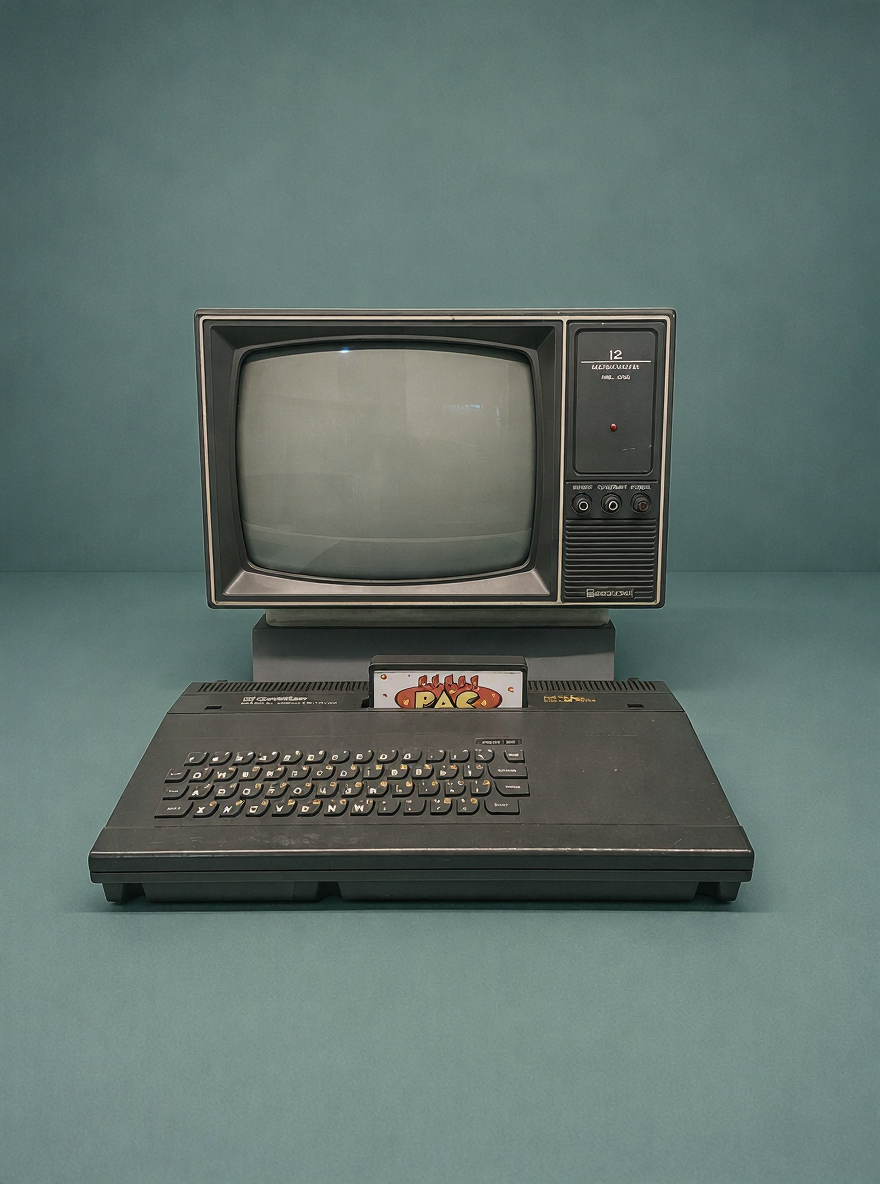
Introduced in 1984, the Goldstar FC-150 was an 8-bit home computer based on the Japanese Sord M5. It used ROM cartridges containing BASIC programming languages, games, and other software, allowing users to access various applications by simply inserting a cartridge. Its cartridge-based design provided a convenient way to run programs and games.
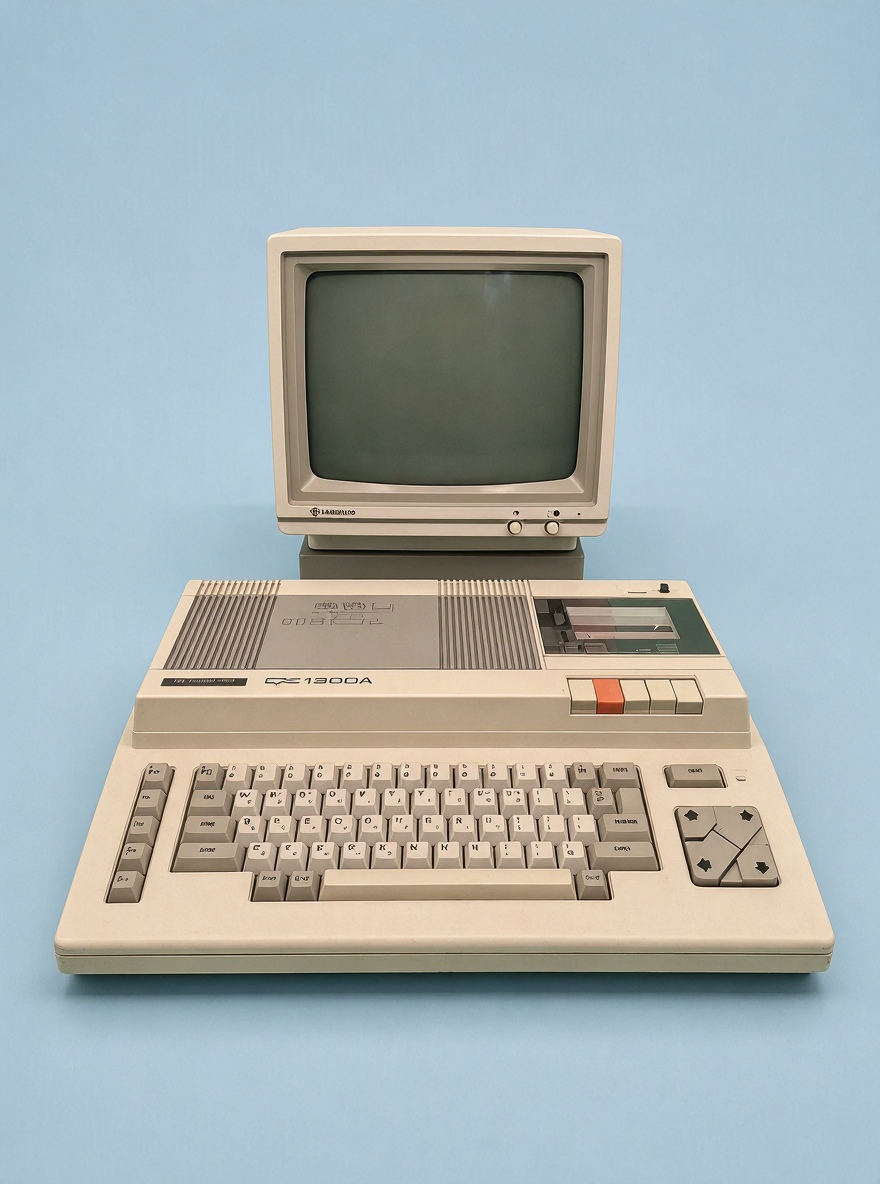
Introduced in 1987, the Samsung SPC-1500 was an 8-bit personal computer and the successor to the SPC-1000. It supported a two-byte combinational Hangul encoding system, combining initial consonants, vowels, and final consonants to display Korean characters. It also featured high-resolution graphics capabilities, representing an important development in the history of personal computing in South Korea.
The HiTEL Terminal was a dedicated information-access device introduced by Korea Telecom to promote the use of its HiTEL online service. Beginning in 1992, the terminals were distributed free of charge to households. Using telephone lines, users could access electronic bulletin boards, news, general information, and various online services. The device contributed to the expansion of PC communication culture and the popularization of digital information services in South Korea.
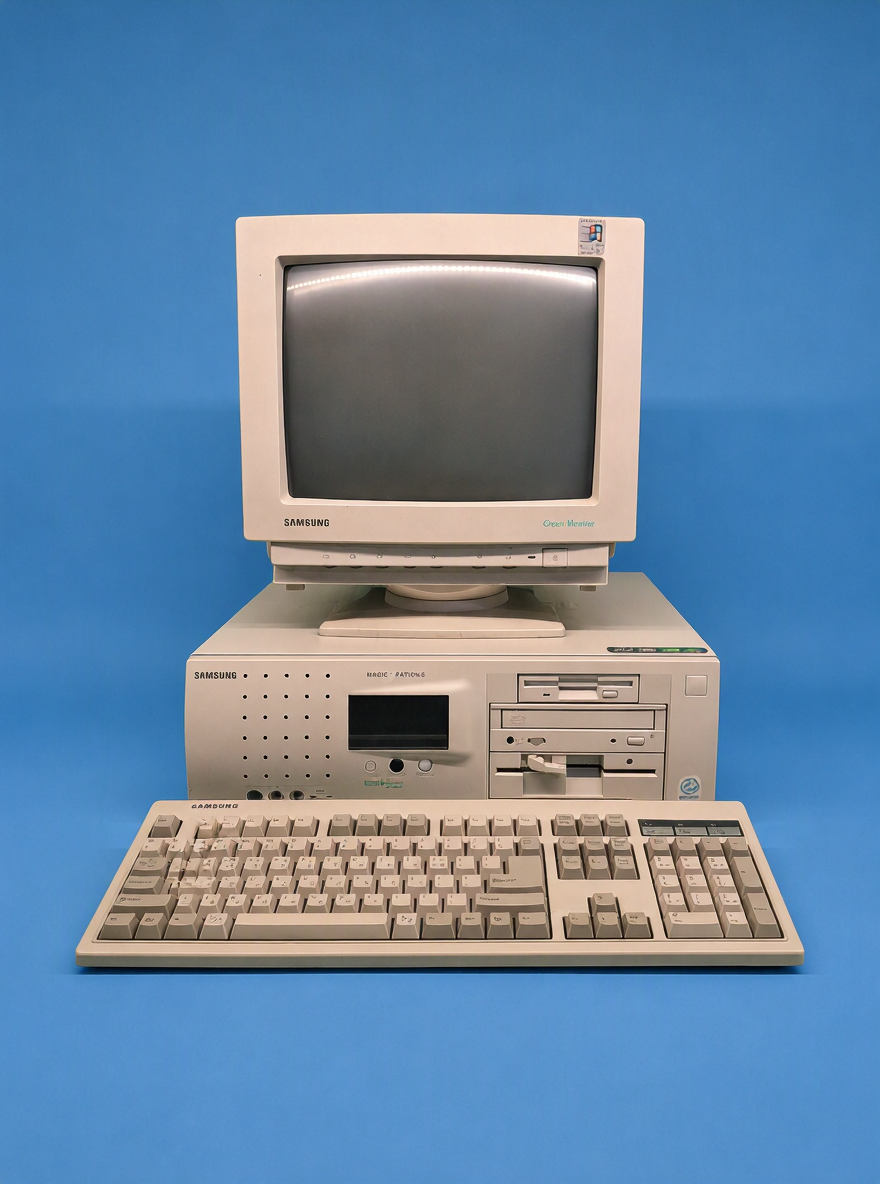
The Samsung MagicStation III was a multimedia personal computer equipped with an Intel Pentium processor and Korean-language Windows 95. Featuring a CD-ROM drive and integrated sound capabilities, it allowed users to enjoy a wide range of multimedia content. It also introduced enhanced voice recognition and user-friendly features, reflecting the rapid development of the home PC market in South Korea.
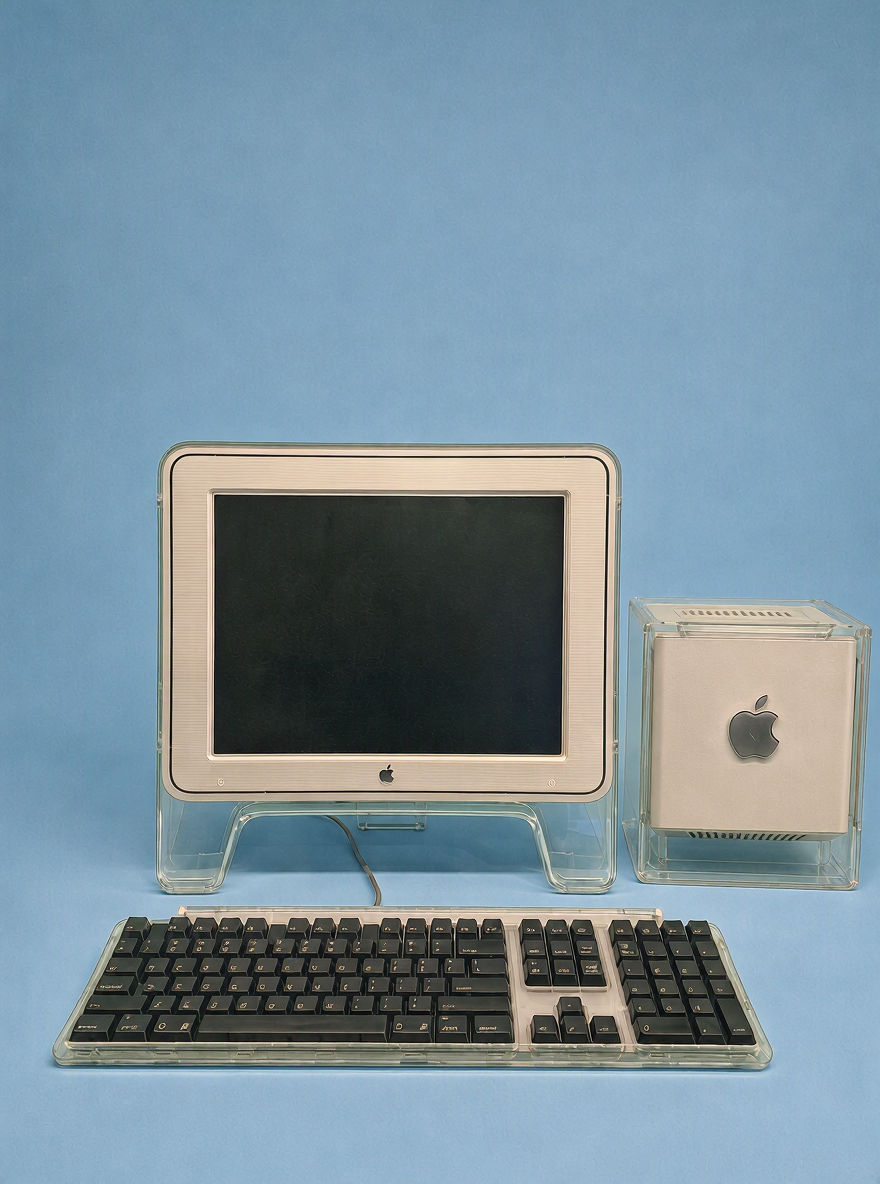
Introduced in 2000, the Power Mac G4 Cube attracted attention for its innovative cubic design and transparent acrylic enclosure. Despite its compact size, it delivered powerful computing performance. Its fanless cooling system used natural convection to provide virtually silent operation. With its distinctive design, the G4 Cube helped redefine the personal computer as both a functional device and an object of modern industrial design.